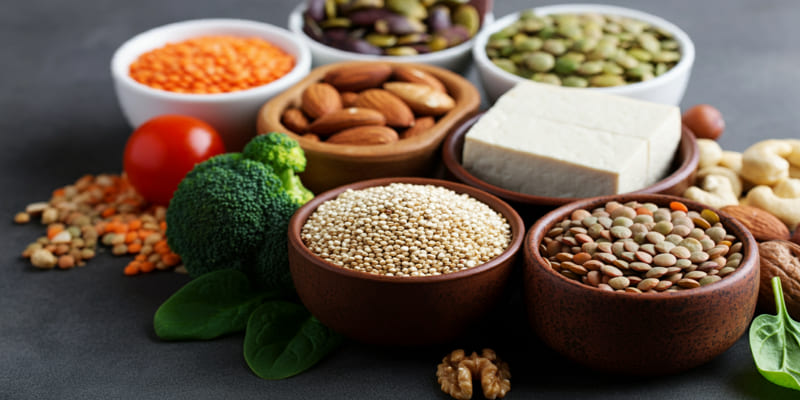
Are you concerned you might not consume adequate amounts of protein if you’re cutting down on red meat? You're not alone. In an effort to be healthy, people who seek protein sources avoid beef and pork or look for others instead. Fortunately, there are many delicious and healthy protein foods that can easily take their place.
Chicken: A Versatile and Lean Protein
Health Benefits
Chicken consumption can be associated with numerous health benefits. Its high protein content increases satiety and thus may be associated with maintaining weight and improving heart conditions. The amino acid tryptophan, which might increase serotonin levels, improves mood. Chickens also have nutrients that keep bones and brains healthy and may regulate blood sugar levels.
Culinary Versatility
One of the best things about chicken is its kitchen versatility. The mild flavor makes it a perfect canvas for so many cuisines and ways of cooking. Chicken can be grilled, baked, stir-fried, sautéed-the list is endless. It's excellent in everything from Caesar salads and fajitas to stir-fries and pasta dishes. This flexibility makes chicken perfect for those looking to expand their gastronomy but still keeping watch on healthy eating.
Exploring the Health Benefits of Fish
Nutritional Powerhouse
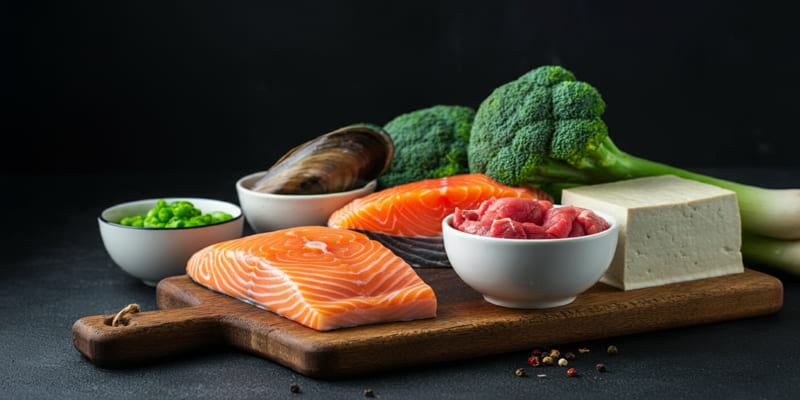
Fish is a powerhouse of nutrition because it comprises high-quality protein, essential vitamins, and minerals. According to the Harvard T.H. Chan School of Public Health, fish is a significant source of healthy omega-3 fatty acids, vitamin D, and selenium. These are very helpful in maintaining general health and well-being, making fish an excellent option to reduce red meat intake.
Heart Health Champion
The most significant benefit of adding fish to your diet is its beneficial effect on heart health. Consumption of fish, especially fatty ones like salmon, herring, and mackerel, has lowered the rates of heart attacks, strokes, and heart diseases. At least once a week, ingestion of fish has been related to a 36% reduced chance of dying from heart disease. The omega-3 fatty acids in fish protect the heart by lowering inflammation and blood pressure and improving blood vessel functions.
Brain and Eye Development
Fish has a significant bearing on the growth of the brain and the eye; hence, it is recommended that young children should take fish. Science has shown that kids’ fetal growth and brain functionality depend highly on omega-3 fatty acids directly obtained from fish.
The Rise of Plant-Based Protein Options
Growing Market Demand
This sector has also augmented in the past years due to consumers’ concern with health and their awareness of the environment, which has resulted in a more significant market for plant-based foods. A forecast study reveals that the global market of plant-based protein supplements stood at $1.14 billion in 2026 and is projected to reach $1.65 billion with a projected rate of CAGR 5.4 in the forecast period. This growth can be attributed to the acceleration of veganism and flexitarian diets and the expanding need for healthy meat substitutes and dairy products.
Health Benefits and Consumer Awareness
Plant-based proteins offer health benefits related to low cholesterol, improved intestinal health, and a reduced risk of chronic diseases. Consumers are now more aware of these benefits and seek protein-based diets for good health. Increased production and consumption of plant-based proteins are being witnessed across the globe.
Innovation and Product Development
Therefore, there is a dire need for continuous innovation in manufacturing plant-based protein products that closely emulate traditional meat's taste, texture, and nutritional profile. Among the familiar plant-based sources of protein are wheat and soy, although new alternatives come forth on the horizon regularly. This innovation is not only attracting vegans and vegetarians but also appealing to flexitarians and meat-eaters looking to reduce their animal product consumption.
Incorporating Eggs into a Reduced Red Meat Diet
Nutritional Powerhouse
Eggs are a good protein food for those who are reducing their intake of red meat. They are nutrient-dense foods containing high-quality protein, vitamins, minerals, and healthy lipids. Incorporating eggs into a diet can help improve the adequacy of certain nutrients commonly low in Western diets, such as choline, vitamin D, folate, and iodine.
Versatile and Sustainable
Among the most affordable and easily accessible animal protein sources, eggs can be consumed comparably inexpensively when budgets get tighter. They also have a lower carbon footprint than red meat, being more environmentally friendly regarding greenhouse gas emissions, land use, and water usage.
Health Benefits and Recommended Intake
Evidence suggests that eating up to 14 eggs a week can have a neutral or positive effect on cardiovascular health markers, weight management, and muscle protein synthesis. The science indicates that including eggs in a reduced red meat diet can be a nutritious and sustainable part of a healthy diet. While recommendations vary, 7-14 eggs per week is a reasonable target for most healthy adults.
Embracing Legumes for a Protein-Packed Punch
The Power of Plant-Based Protein
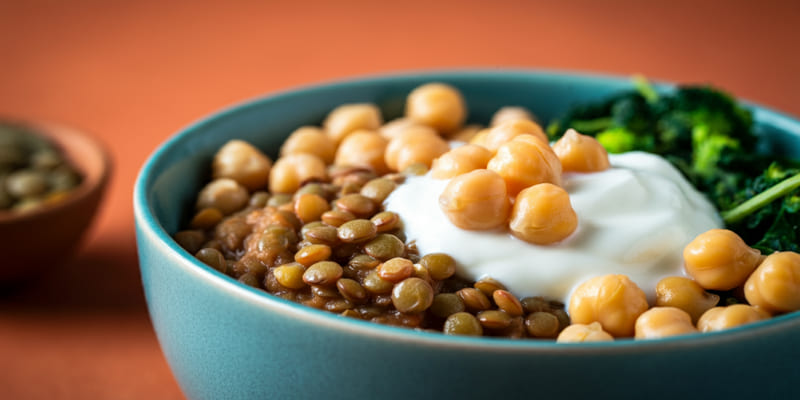
Legumes are nature's powerhouses of protein and can be a healthier alternative to red meat. Such plant-based proteins pack quite a punch, as it is well known that a single serving of one cooked cup of lentils packs 18 grams of protein. NotProtein contains high amounts, but several health benefits can be accrued, making them quite nutritional dietary components.
Health Benefits Beyond Protein
Adding legumes to your meals does far more than increase your protein intake. Nutrient-dense and fiber-rich, these foods support digestion and promote satiety. Their high fiber and nutritional content may reduce the risk of chronic diseases like heart disease and type 2 diabetes. They are also excellent sources of essential vitamins and minerals, including folate, potassium, iron, and magnesium.
Conclusion
The best part about starting your journey of reducing red meat consumption is that plenty of delicious and healthy protein alternatives exist. With these six healthier protein options—fish, poultry, legumes, eggs, dairy, and plant-based meat alternatives—you are helping yourself and helping to save the environment.